
The Secret Life of Wedding Flowers: From Greenhouse to Bouquet
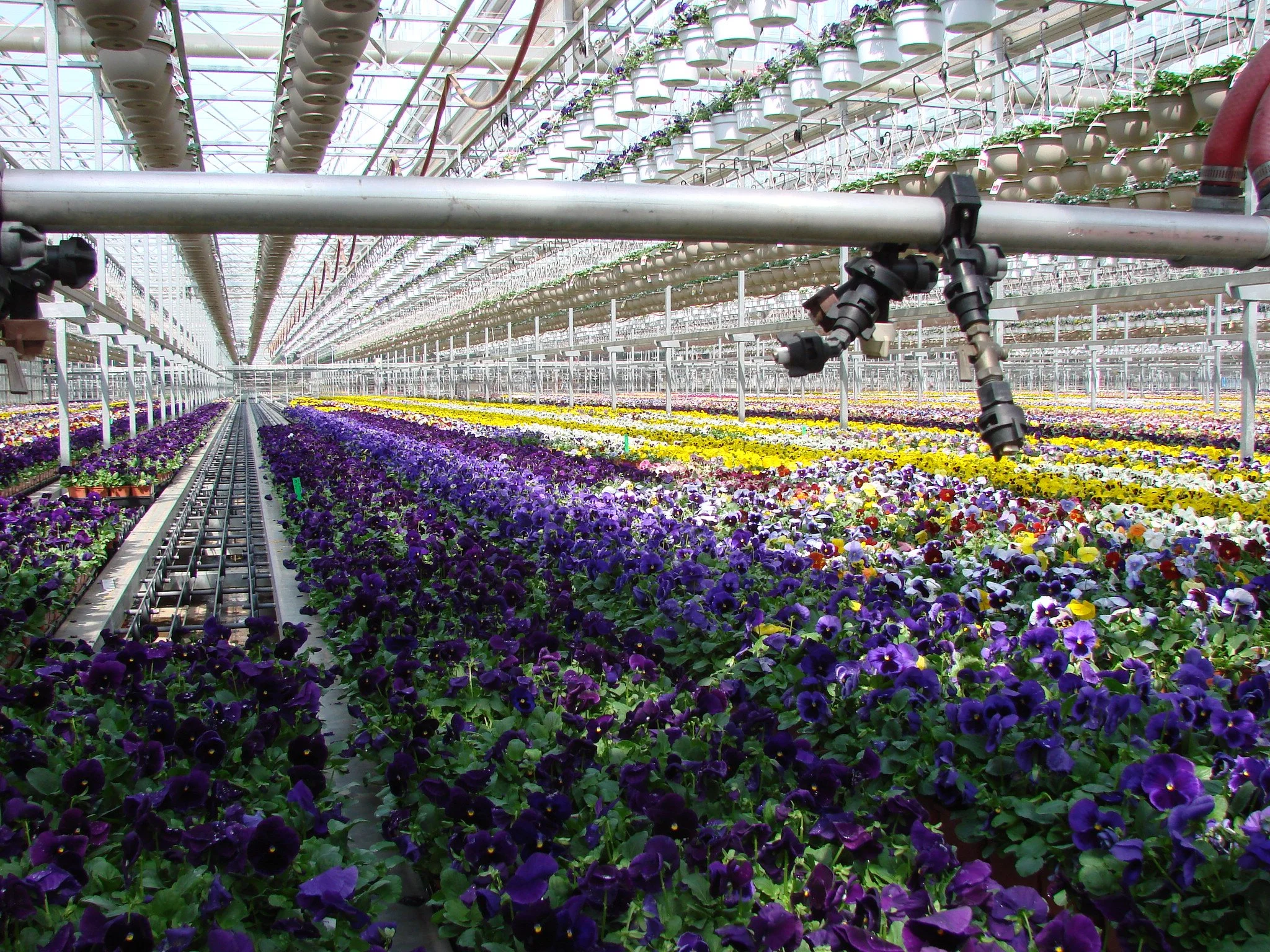
Flowers don’t magically appear in a wedding bouquet. Long before they’re tied with silk ribbon or tucked into an urn at the altar, they begin life in a greenhouse—often in another country—carefully timed to bloom at exactly the right moment. Here’s a step-by-step look at how a stem travels from grower to “I do.”
1) The growing plan starts months ahead
Most wedding flowers are grown on a schedule. Farms plan their crops by season, climate, and demand—especially for popular varieties like roses, hydrangea, ranunculus, and specialty foliage. Growers track light, temperature, and watering so stems reach the right length and bloom stage at harvest.
2) Greenhouse care and monitoring
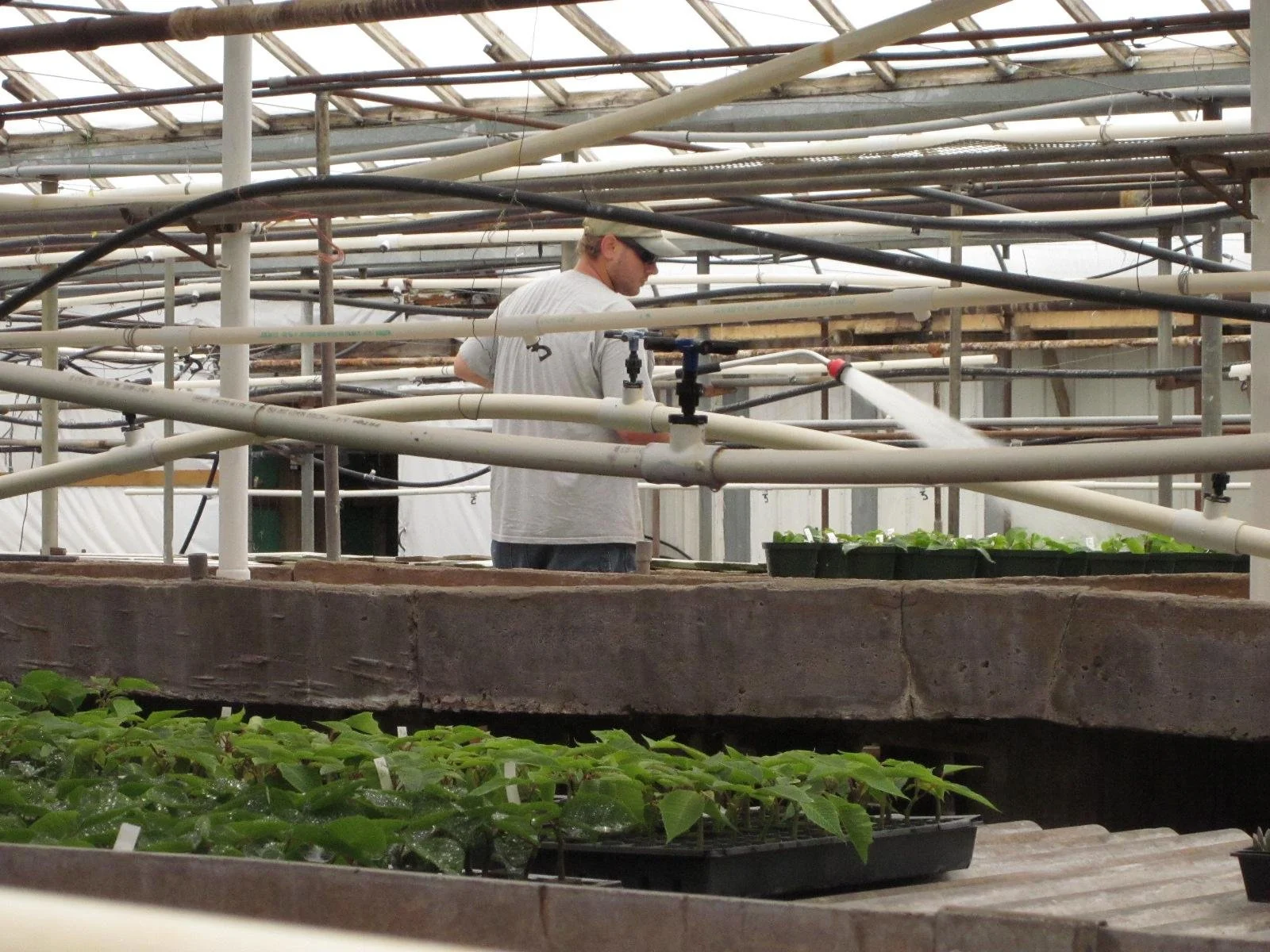
In a greenhouse, conditions are controlled like a gentle ecosystem: humidity is balanced, pests are managed, and plants are supported as they grow. For roses, this means encouraging strong straight stems and healthy foliage. For hydrangea, it’s about hydration and timing so heads are full but not overly mature.
3) Harvesting at the perfect stage
Flowers are harvested earlier than you might expect. Many are cut while still tight or slightly immature so they can travel without bruising and then open later—ideally during your wedding week. Harvest is usually done early in the morning when stems are most hydrated.
4) Grading and bunching
After harvest, stems are sorted by length, head size, and quality. This is where “wedding grade” is decided—uniformity matters. Flowers are then bunched (often 10 or 20 stems) and labeled for tracking.
5) Conditioning and cold chain begins
The moment a flower is cut, time matters. Stems are hydrated, treated, and placed into cold storage. This “cold chain” is the quiet hero of the flower world: keeping blooms cool and stable slows opening and protects freshness all the way to market.
6) International transport to market hubs
Many blooms travel by refrigerated truck to an airport, then by air freight to major floral hubs (like Amsterdam or Rungis near Paris). They continue in refrigerated transit so temperature swings don’t shock the flowers.
7) Wholesale market selection
At the wholesale market, buyers (or their trusted suppliers) choose stems based on the wedding’s needs: palette, bloom size, freshness, and how quickly each variety will open. This is also when substitutions happen if weather affected crops—flexibility is part of the process.
8) Delivery to the studio and intensive conditioning
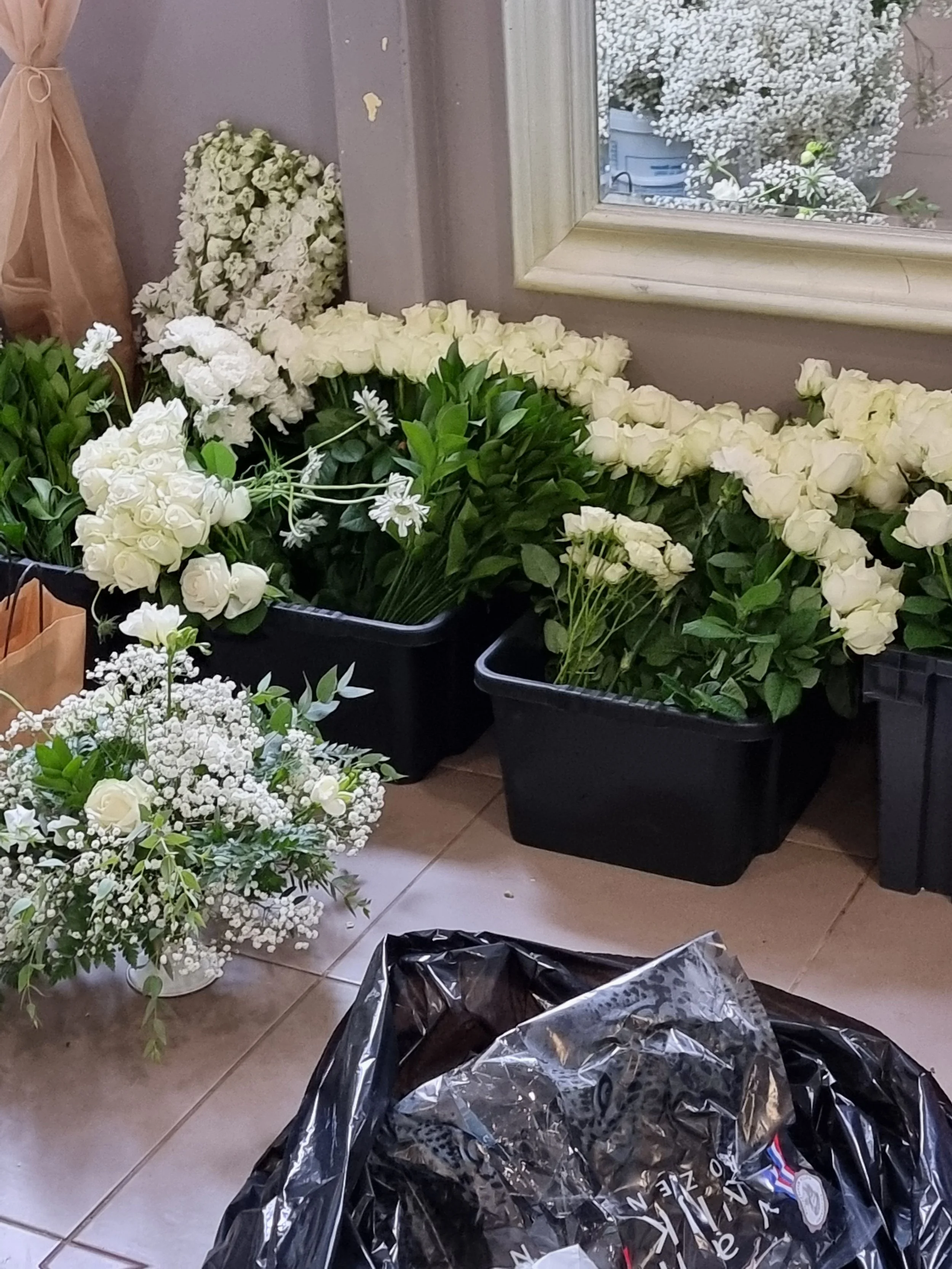
Once flowers arrive at the florist’s studio, the real prep begins: buckets are cleaned, stems are re-cut, foliage is stripped, and everything is placed into clean water with flower food. Many blooms rest 12–48 hours to drink deeply and rehydrate after travel.
9) Design day: timing the “open”
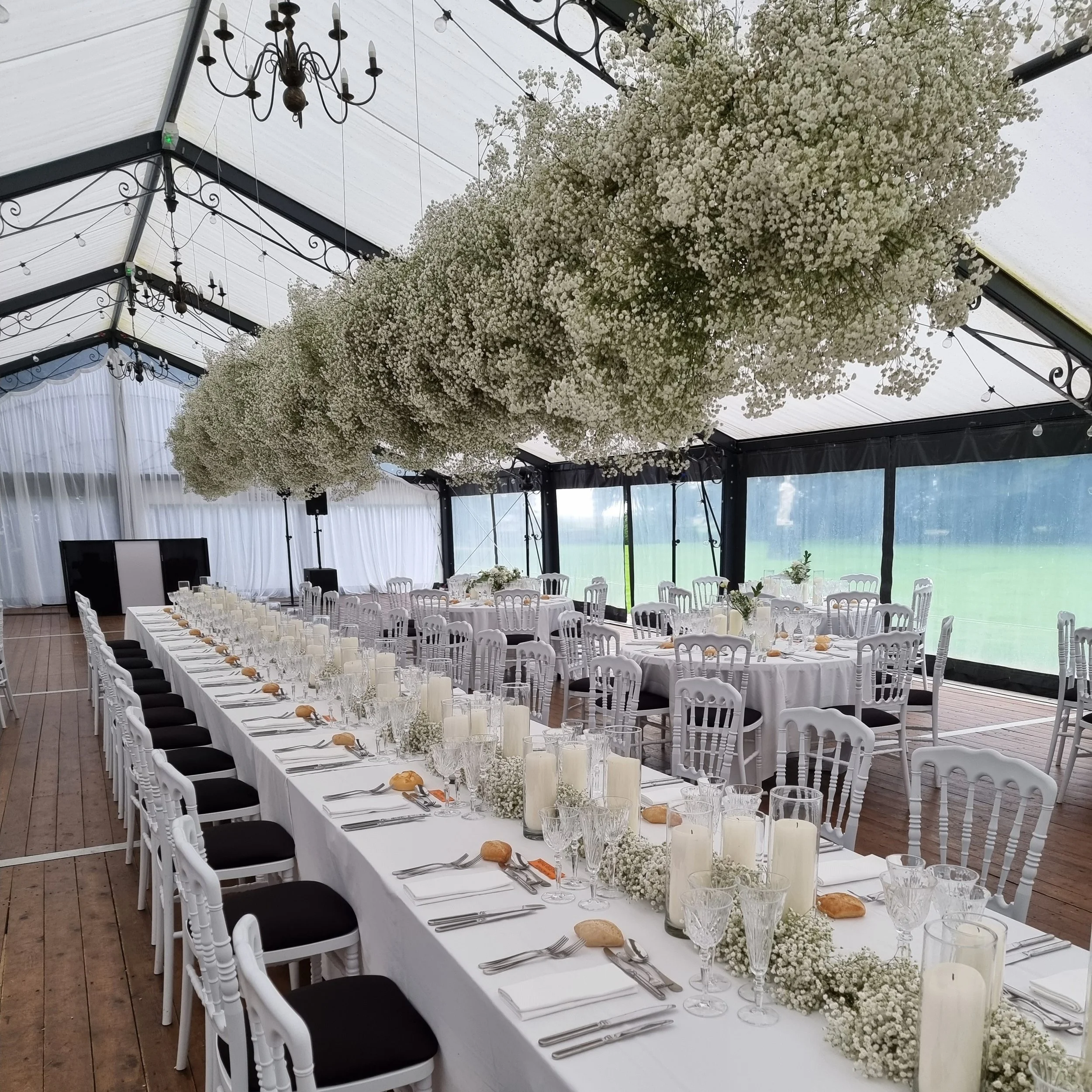
A florist designs with bloom stages in mind: some flowers should be open and romantic, others slightly tight for structure and longevity. Roses may be reflexed gently, hydrangea are hydrated carefully, and each stem is placed with movement and balance.
10) Wedding morning: transport and final touch-ups
Bouquets and arrangements are packed for safe travel—especially in summer. On site, the florist checks water levels, adjusts placements, and makes final refinements so everything looks effortless, fresh, and alive.
From greenhouse to bouquet, each stem is a small journey of timing, care, and craftsmanship—so when you hold your flowers, you’re holding a story that started long before the aisle.
